
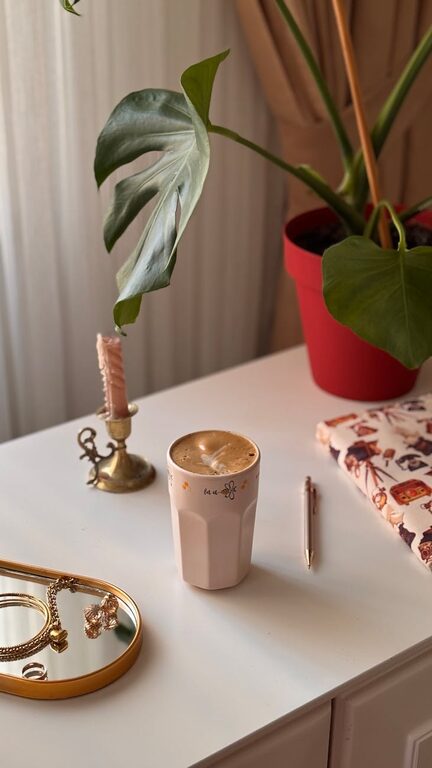
Creating a comfortable and relaxing home workspace is essential for maintaining productivity and reducing stress, especially as more people work from home. A thoughtfully designed workspace encourages focus, creativity, and overall well-being. Whether you have a dedicated room or just a small corner, you can transform your area into a calm and inviting environment. In this post, we’ll explore practical tips on how to create a relaxing home workspace that suits your needs.
Why a Relaxing Workspace Matters
Your environment has a significant impact on how you work and feel. A cluttered or uncomfortable space can lead to distractions, fatigue, and frustration. On the other hand, a well-organized and pleasant workspace can make daily tasks smoother, increase your motivation, and help separate work from personal life. Designing a relaxing workspace is not just about aesthetics; it’s about creating a space that supports your mental and physical well-being.
Choose the Right Location
Prioritize Natural Light
Where possible, set up your workspace near a window or an area that receives plenty of natural light. Exposure to natural light helps regulate your body clock, improve mood, and enhance focus.
Minimize Noise Distractions
If you can, choose a quiet spot that is away from high-traffic or noisy parts of your home. If the noise is unavoidable, consider using noise-cancelling headphones or a white noise machine to maintain concentration.
Personalize Your Space
Pick a location that feels comfortable and inviting. Personal touches like photos, plants, or your favorite color palette can make a space feel uniquely yours without overwhelming it.
Invest in Comfortable Furniture
Ergonomic Chair
Comfort is key—choose a chair that supports good posture with adjustable height, backrest, and cushioning. Sitting comfortably reduces physical strain during long work sessions.
Functional Desk
Your desk should offer enough space for your laptop, essential supplies, and any other tools. Depending on your preference, consider a standing desk or an adjustable desk to alternate between sitting and standing.
Accessories for Comfort
Add a footrest or a wrist pad to reduce strain. If possible, position your monitor at eye level to prevent neck and eye fatigue.
Keep It Organized and Clutter-Free
Use Storage Solutions
Incorporate shelves, drawers, or desk organizers to keep your workspace neat and tidy. A clutter-free area helps clear your mind and makes it easier to find things when you need them.
Daily Tidying Habit
Spend a few minutes at the end of each day to put things back in place. A clean desk invites you to start fresh the next day.
Limit Distractions
Keep only work-related items on your desk to avoid unnecessary distractions. If you like to have personal items, keep them minimal and small.
Add Elements That Promote Relaxation
Bring in Greenery
Plants not only beautify your space but also improve air quality and create a calming atmosphere. Consider easy-to-care-for varieties like succulents, pothos, or snake plants.
Use Calming Colors
Choose soft and neutral colors like pastels, blues, or greens for your walls, furniture, or decor. These colors are known to have a soothing effect and reduce stress.
Incorporate Soft Lighting
Instead of relying solely on bright overhead lights, add lamps or string lights with warm tones. Adjustable lighting helps reduce eye strain and creates a cozy ambiance.
Manage Technology Mindfully
Cable Management
Keep cords organized and out of sight using clips, sleeves, or cable boxes. This helps maintain a clean look and prevents tangling.
Limit Notifications
Turn off unnecessary notifications to maintain focus. Consider using apps that block distractions during work hours.
Use Technology to Support Breaks
Set reminders to take short breaks, stretch, or practice breathing exercises. Breaks refresh your mind and keep you energized throughout the day.
Personalize with Meaningful Touches
Artwork and Inspiration
Hang artwork, quotes, or vision boards that inspire you. These elements add personality and make your workspace motivating.
Scent and Sound
Use essential oil diffusers or scented candles with calming fragrances like lavender or eucalyptus. Background sounds like nature noises or gentle music can also promote relaxation.
Comfort Items
Keep a cozy blanket or a cushion nearby to increase your comfort during long working hours.
Establish a Routine to Separate Work and Rest
Having a designated workspace helps you mentally switch between work and relaxation. At the end of your workday, close your laptop, turn off your work lights, or even change your clothes. Creating a routine around your workspace signals your brain when it’s time to focus and when it’s time to unwind.
—
By thoughtfully creating a relaxing home workspace, you set yourself up for success, better focus, and less stress. Start small by adjusting one or two elements today, and gradually transform your work environment into a place where you feel comfortable and productive every day. Happy working!