
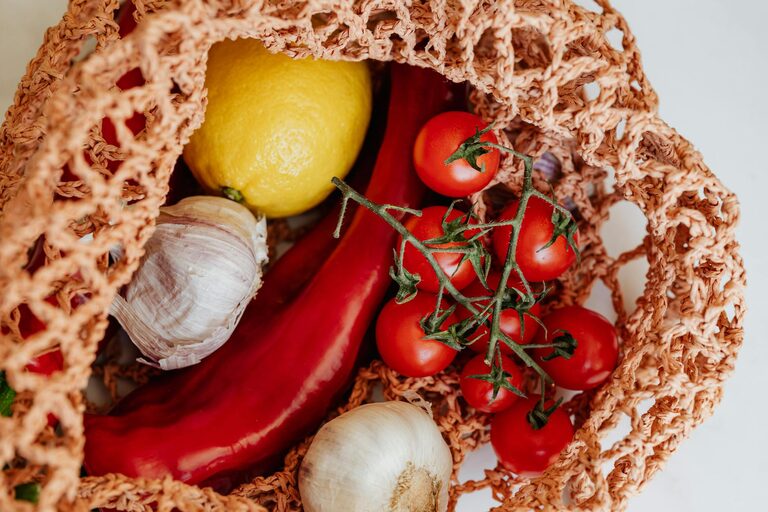
Reducing food waste at home is an effective way to save money, lessen your environmental impact, and make the most of your groceries. Every year, tons of edible food end up in the trash, contributing to landfill waste and unnecessary resource use. By adopting some simple habits and planning strategies, you can significantly cut down the amount of food wasted in your household.
In this post, we’ll explore practical ways to reduce food waste at home, from smarter shopping to clever storage and creative cooking ideas. Let’s get started!
Why Reducing Food Waste Matters
Food waste affects more than just your wallet. When food is discarded, all the water, energy, and labor used to produce, transport, and store it go to waste. Additionally, food waste contributes to greenhouse gas emissions in landfills, which accelerate climate change. By reducing what you throw away, you help protect the environment and promote a more sustainable lifestyle.
1. Plan Your Meals in Advance
One of the easiest ways to minimize food waste is to plan your meals for the week. This helps you buy only what you need and avoid impulse purchases that often go unused.
– Make a weekly menu: Outline breakfast, lunch, dinner, and snacks. Base your menu on what’s already in your pantry or fridge to use those ingredients first.
– Create a shopping list: Stick to it and avoid buying unnecessary items.
– Be realistic about portions: Prepare meals that match your household size to prevent leftovers from spoiling.
2. Shop Smart and Mindfully
When you shop more intentionally, you reduce the chances of food spoiling before you use it.
– Shop more frequently but in smaller quantities: Fresh food lasts longer when bought closer to the time you’ll eat it.
– Check expiration dates: Choose products with later sell-by or use-by dates.
– Avoid bulk buying perishables: Only buy large amounts if you can use or preserve them in time.
3. Store Food Properly
Proper storage extends the shelf life of your food and preserves quality.
Keep Your Fridge Organized
– Store similar items together so nothing gets lost at the back.
– Use clear containers or labels showing purchase dates.
– Place perishable items like dairy and meat in the coldest part of the fridge.
Understand How to Store Different Foods
– Vegetables: Some last longer in the fridge (e.g., carrots), while others like tomatoes prefer the countertop.
– Bread: Keep bread in a cool, dry place or freeze it if not used quickly.
– Fruits: Separate ethylene-producing fruits (e.g., apples) from others to prevent premature ripening.
4. Use Leftovers Creatively
Leftovers don’t have to mean boring meals or waste.
– Repurpose leftovers: Turn yesterday’s roast chicken into tacos, stir-fry, or soup.
– Freeze for later: Many leftovers freeze well and make quick meals on busy days.
– Create “leftover nights”: Dedicate one meal each week to eating up remaining food in your fridge.
5. Cook Only What You Need
Avoid making large portions that may not be eaten.
– Use measuring cups or scales to follow recipes more accurately.
– Consider your household’s appetite to decide serving sizes.
– If you do have extras, package them into portions for freezing immediately.
6. Keep Track of Your Food
By being aware of what food you have and when it’ll expire, you’re less likely to waste it.
– Use a chalkboard or whiteboard on your fridge to note what perishable items need to be used soon.
– Regularly check your fridge and pantry to find items that should be eaten first.
– Consider apps designed to help manage food inventory and reduce waste.
7. Compost Food Scraps
Not all food scraps can be avoided. Peelings, cores, and spoiled items don’t need to end up in the trash.
– Set up a compost bin for vegetable scraps and coffee grounds.
– Composting returns nutrients to the soil and reduces landfill waste.
– If you don’t have a garden, check if your local community offers composting programs.
8. Educate Your Household
Reducing food waste is easier when everyone participates.
– Share tips and goals with family members or roommates.
– Encourage mindful eating and waste reduction habits.
– Work together to plan meals and manage leftovers.
Final Thoughts
Reducing food waste at home doesn’t require drastic changes. Small, consistent actions will add up to less wasted food, lower grocery bills, and a lighter environmental footprint. Whether you start by planning meals, storing food better, or getting creative with leftovers, every effort counts.
Try integrating some of these tips into your routine, and watch the positive difference it makes for both your kitchen and the planet!